
About Me
I am an applied economist working on energy, the environment, agriculture, and policy, and an Associate Research Scientist in the Department of Agricultural Economics at Texas A&M University, where I received my Ph.D. in Agricultural Economics in 2024.
My research studies how energy and agricultural markets respond to extreme weather, technological change, and public policy, and who bears the costs. I focus on the points where physical systems and markets meet: when a storm disrupts supply, when a new low-carbon or bio-based technology competes with incumbents, or when a policy target asks investors to change course. For example, I trace how Gulf hurricanes move through U.S. fuel markets, how forest loss shifts crop yields and prices far away, how national electricity targets compare with past investment, and what limits the market penetration of bio-based products. My work uses a mixed-methods approach that combines applied econometrics, machine learning, optimization-based market modeling, and life cycle and techno-economic assessment, linking evidence on how markets have behaved to models of how they may respond to new shocks. My goal is to understand how these markets adjust, so that decisions about energy, technology, and the environment rest on how markets actually behave.
Research Interests
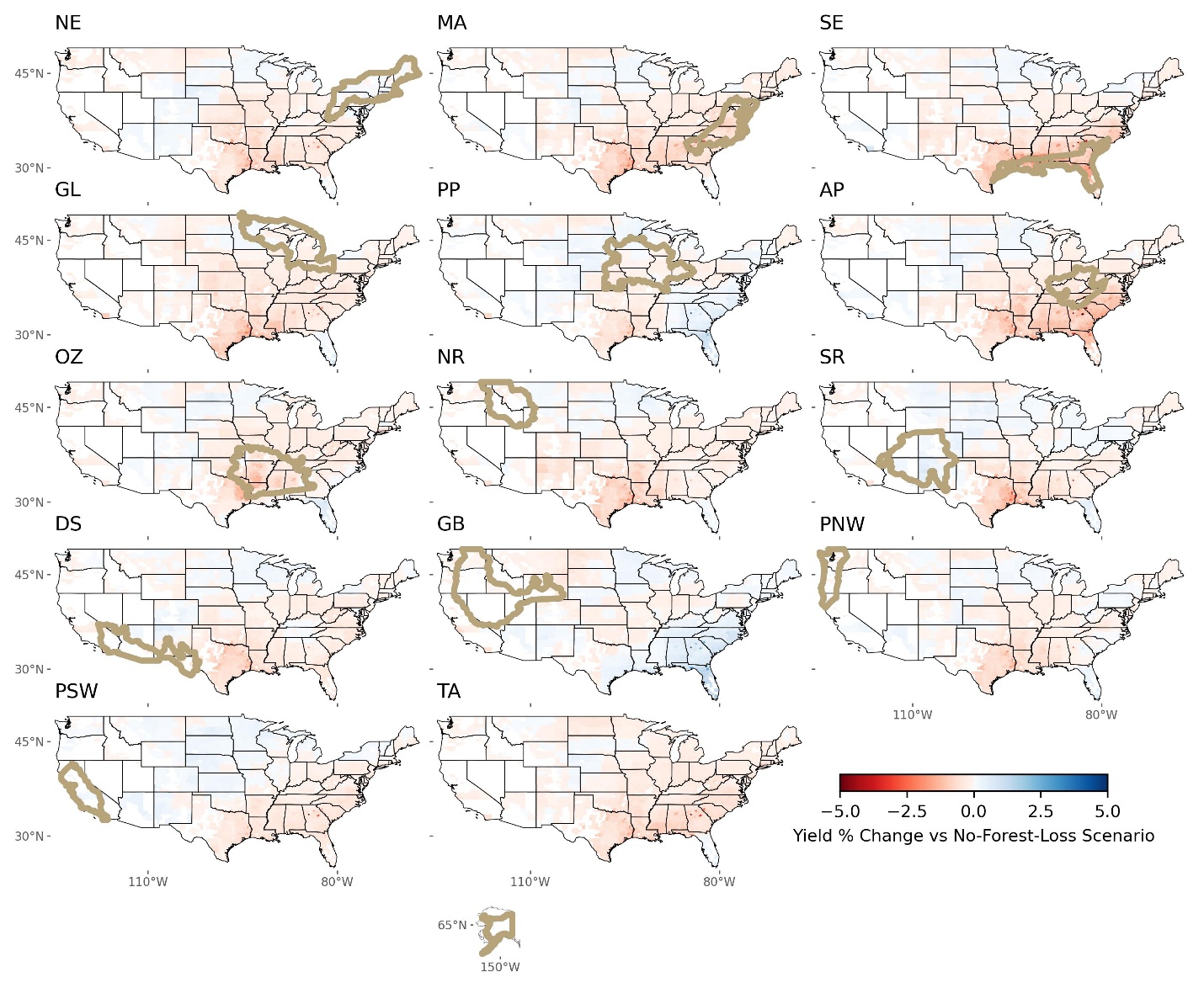
Forest loss shifts crop yields far away through ecoclimate teleconnections, raising U.S. crop output 1–3% and lowering prices.
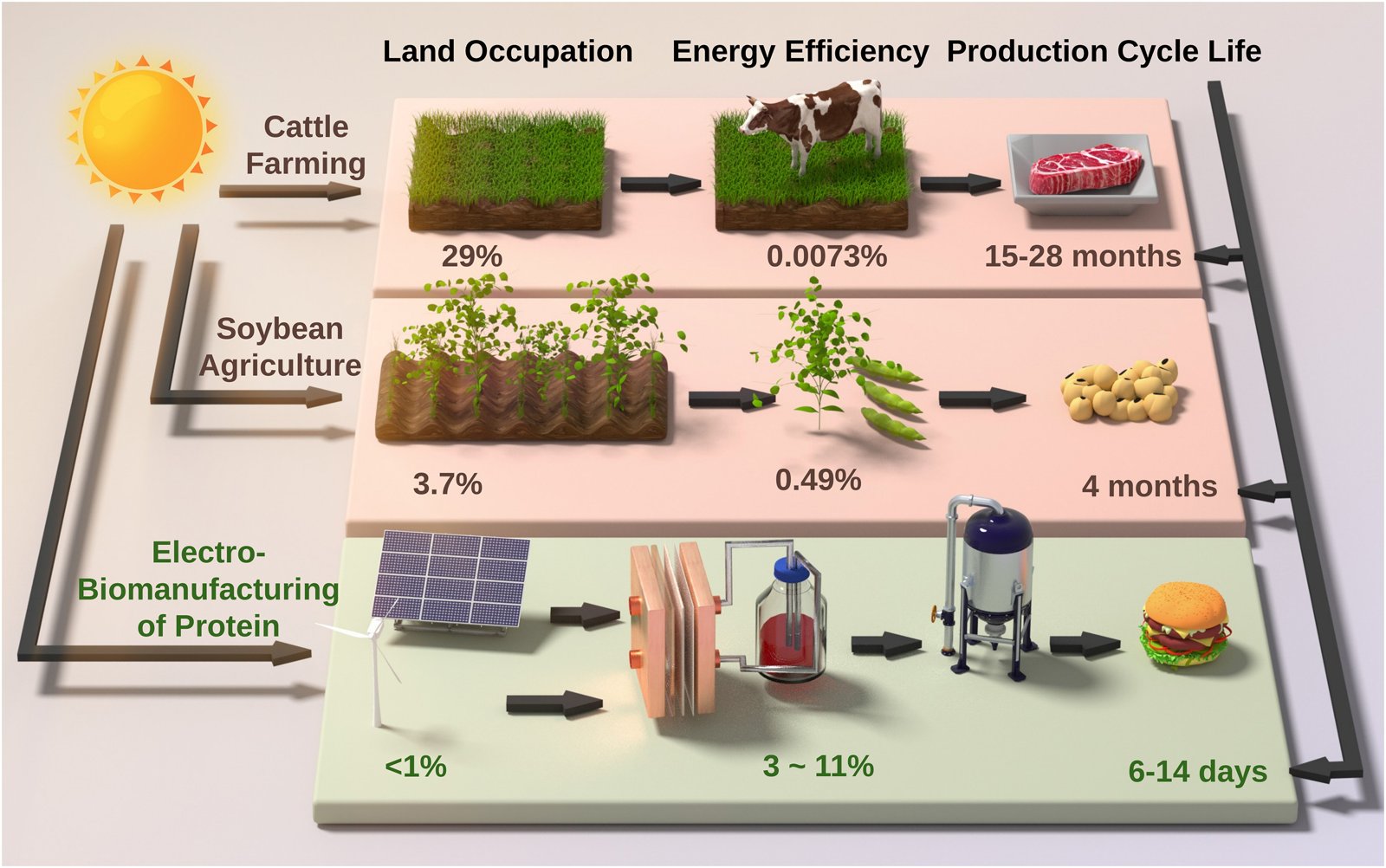
Most of our protein comes from plants, eaten directly or fed to livestock, and only a small share of the sunlight crops capture ends up as food. Our team turned CO2 and renewable electricity into protein-rich fungal biomass in days rather than months, using far less land and water than soybeans or beef. As the team's economist, I co-led the techno-economic and life cycle assessment.
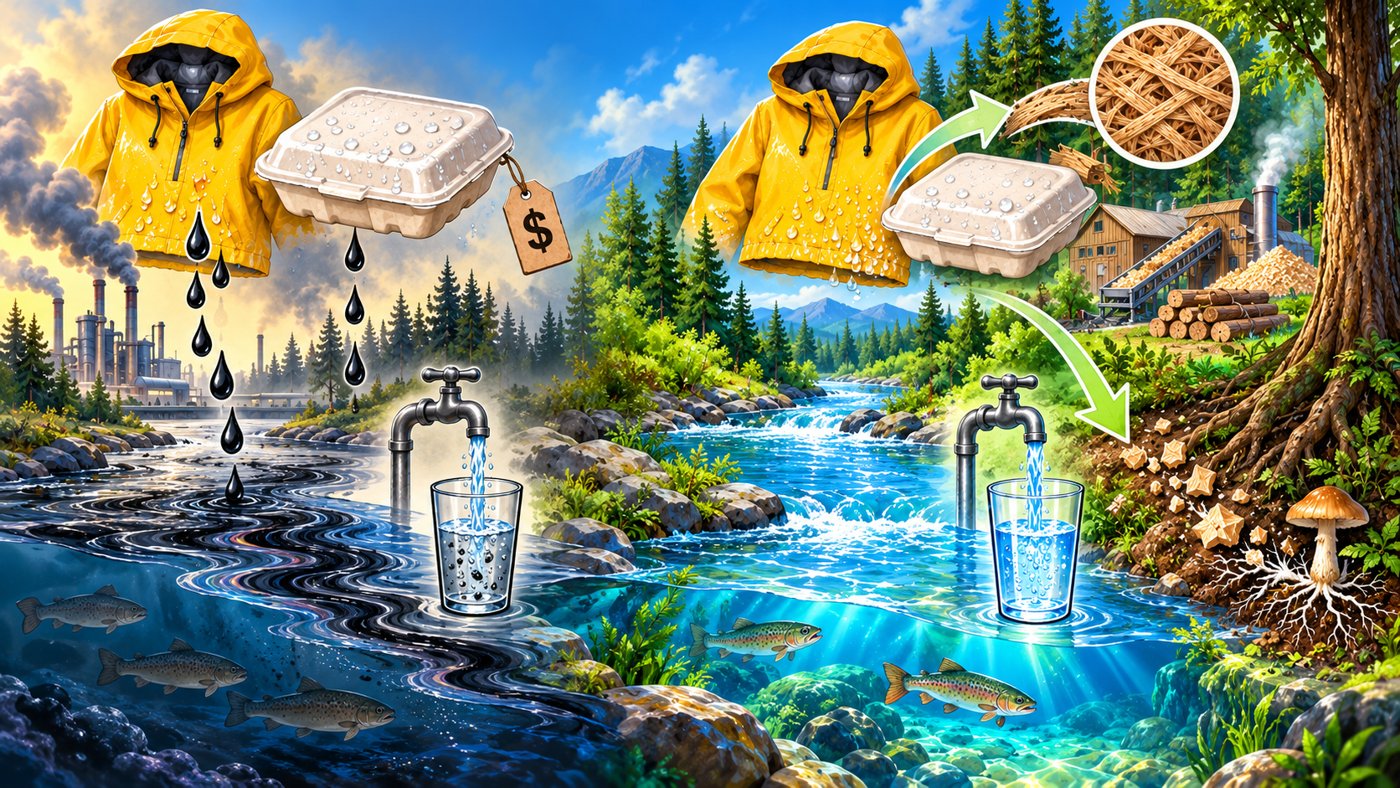
PFAS, the "forever chemicals" in water-repellent jackets and food packaging, never break down and are linked to cancer. Our team built a fluorine-free coating from paper-mill lignin that repels water just as well and breaks down in soil. As the team's economist, I valued the health damages PFAS shifts onto society: switching avoids up to $1.1 billion a year worldwide.
Archive
- 2026Published in Matter: renewable carbon fiber. I co-led the techno-economic and life cycle assessment.
- 2025Published in ACS Sustainable Chemistry & Engineering (first author): turning captured CO2 into biodegradable bioplastics. I estimated the social benefits of replacing fossil plastics by valuing the environmental damages avoided.
- 2025Published in Environmental Research Letters (first author): refinery output and profit losses from hurricane forecasts.